How to Choose the Right Printing Method for Your Clothing Line
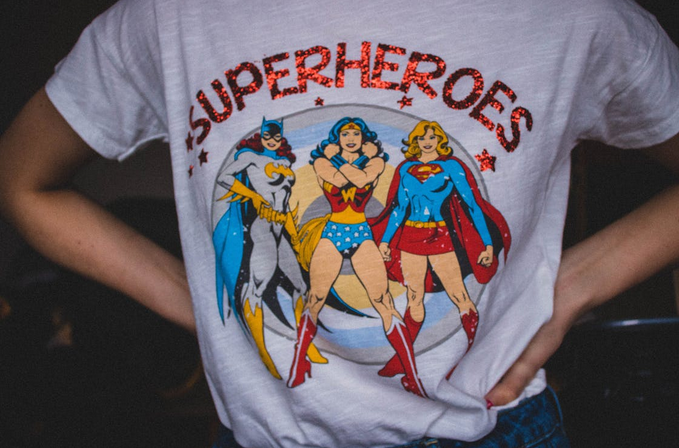
Starting a clothing line involves a series of critical decisions, and one of the most important is selecting the appropriate printing method for your designs. The quality, durability, and visual appeal of your apparel largely depend on how your graphics are applied. With multiple printing options available—from screen printing and heat transfers to direct-to-garment (DTG) and DTF transfers—choosing the right technique can seem daunting. Factors like material type, design complexity, production volume, and budget all influence the decision. For those looking to explore advanced options, it is important to see details that offer guidance and resources for modern printing methods. Understanding key considerations ensures your clothing line delivers high-quality, attractive, and long-lasting results.
Consider the Type of Fabric

The first step in selecting a printing method is evaluating the fabric type of your clothing. Natural fibers like cotton absorb ink differently than synthetic materials such as polyester, affecting how colors appear and adhere. Some printing methods, like traditional screen printing, work best on cotton and cotton blends, producing vibrant and durable prints. Others, such as DTF transfers or sublimation, excel on synthetic fabrics, ensuring the ink binds effectively without fading. Choosing a method compatible with your material type not only improves the final appearance but also extends the longevity of your designs, reducing returns or customer dissatisfaction.
Evaluate Production Volume
Production volume is another key consideration when selecting a printing method. Large-scale orders benefit from techniques like screen printing, which can produce many items efficiently once setup is complete. However, …